

Driving without insurance could soon become much harder in India. The Supreme Court has asked the Ministry of Road Transport and Highways (MoRTH) and the Insurance Regulatory
and Development Authority of India (IRDAI) to begin a pilot project that links fuel purchases with valid motor insurance.
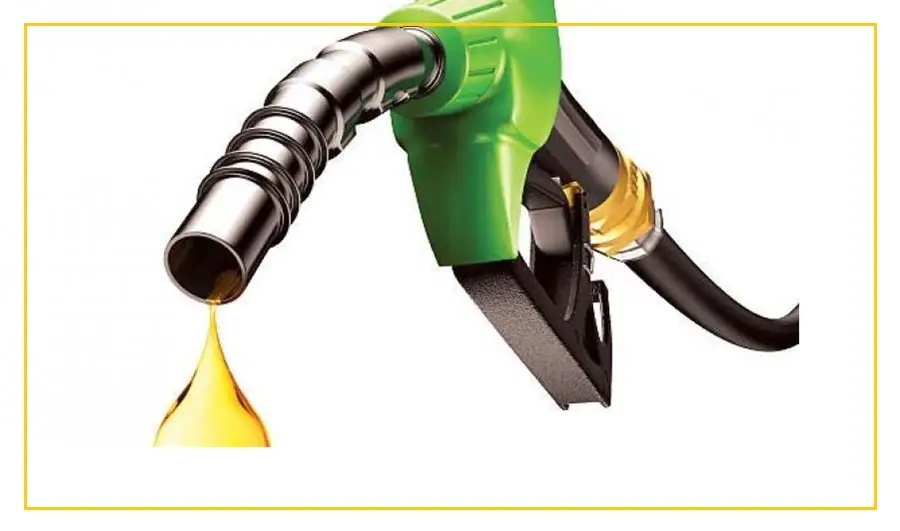
If the plan is implemented, vehicles without valid third-party insurance may not be allowed to buy fuel at petrol pumps.
The move aims to reduce the number of uninsured vehicles and ensure faster compensation for road accident victims.
Why Is This Step Being Taken?
According to the Supreme Court, India has around 304.8 million (30.48 crore) registered vehicles. Out of these, nearly 165.4 million (16.54 crore) vehicles do not have mandatory third-party insurance.
That means about 56% of vehicles on Indian roads are uninsured.
The court said this creates a major problem because accident victims often face long legal battles and delays in receiving compensation when uninsured vehicles are involved.
Government data also shows that 22% of road accidents involve uninsured vehicles, making stricter enforcement necessary.
How Will Fuel Be Linked to Insurance?
Under the proposed pilot project, petrol pumps may verify a vehicle’s insurance status before dispensing fuel.
The system is expected to use Automatic Number Plate Recognition (ANPR) cameras, which will scan the vehicle’s registration number.
The details will then be checked with the VAHAN database and the Insurance Information Bureau to confirm whether the vehicle has valid third-party insurance.
If the insurance has expired, the vehicle owner may be asked to renew it before fuel is provided.
The same technology could also detect unregistered vehicles and automatically issue e-challans for insurance violations.
Supreme Court’s Other Directions
The Supreme Court has also asked IRDAI to take several steps to improve insurance coverage across the country.
These include:
Start ANPR-based insurance enforcement pilot projects in selected states.
Provide traffic police with handheld devices or mobile apps connected to the VAHAN portal for real-time insurance verification.
Enable automatic e-challans for uninsured vehicles through connected ANPR cameras.
Introduce optional add-ons such as personal accident cover and own-damage cover along with basic third-party insurance.
The court has also recommended increasing the minimum third-party insurance period for new vehicles:
New cars: From 3 years to 4 years
New two-wheelers: From 5 years to 6 years
According to the court, these changes will not only help accident victims receive compensation faster but also reduce lengthy legal disputes.
What Is Third-Party Insurance?
Third-party motor insurance is mandatory under Section 146 of the Motor Vehicles Act, 1988.
It covers the financial and legal liability if your vehicle causes injury, death, or property damage to another person.
However, it does not cover damage to your own vehicle. For that, you need own-damage or comprehensive insurance.
For example, if your car hits another vehicle, third-party insurance can pay for the damage caused to the other vehicle, but repairs to your own car will not be covered.
Will This Rule Start Across India Immediately?
No. The proposal is still in the pilot stage.
The Supreme Court has only asked the government and IRDAI to test the system first.
Before it can be implemented nationwide, authorities will need to address practical issues such as database accuracy, internet connectivity, and verification of recently renewed insurance policies.

Only after these challenges are resolved will the government decide whether the system can be introduced across the country.