
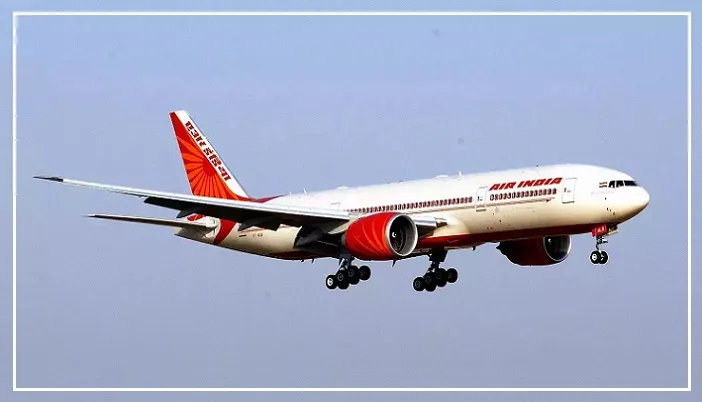
Air India Fuel Surcharge Hike will make air travel more expensive for passengers booking domestic and selected international flights from October 9, 2026.
Air India and Air India Express have revised their fuel surcharges in response to rising aviation turbine fuel (ATF) prices, with domestic charges now ranging from ₹400 to ₹1,200 per one-way journey, depending on the distance travelled.
The revised charges apply to new bookings, with Air India Express implementing them from midnight on October 9 and Air India from 11 am on the same day.
The additional cost will vary according to the route and destination, meaning passengers should check the final fare before confirming their tickets.
Air India Fuel Surcharge Hike: New Domestic Charges
Air India and Air India Express have introduced distance-based fuel surcharges for domestic flights.
Passengers travelling longer distances will pay a higher surcharge than those taking shorter journeys.
For one-way domestic flights covering up to 500 km, the surcharge is ₹400.
For journeys between 501 km and 1,000 km, it is ₹600, while flights covering 1,001 km to 1,500 km will attract a charge of ₹850.
Passengers travelling between 1,501 km and 2,000 km will pay ₹1,200.
The same ₹1,200 surcharge applies to sectors covering more than 2,000 km.
These amounts are fuel surcharges rather than the full ticket price.
The final fare will also depend on the base fare, taxes and other applicable charges.
International Flight Surcharges Also Increased
The revised fuel surcharge also covers selected international routes operated by Air India and Air India Express.
The amount varies by destination region and is charged per one-way journey.
For flights to North America, the revised surcharge is US$215. Passengers travelling to Australia will pay US$210, while services to Europe, including the United Kingdom, will carry a surcharge of US$135.
Flights to West Asia and the Middle East will attract a surcharge of US$55.
Since the charges are set in US dollars for these international sectors, the final amount reflected in a booking may depend on the applicable fare and currency conversion.
Passengers planning international travel should review the fare breakdown carefully before purchasing tickets, particularly when comparing different airlines or routes.
Why Have Air India and Air India Express Increased Charges?
The airlines have cited rising aviation turbine fuel prices and volatility in global energy markets as the reasons for the revision.
Fuel is a significant operating expense for airlines, and higher prices can put pressure on their operating costs.
Geopolitical developments and sustained pressure on global energy markets have contributed to the recent volatility in aviation fuel prices.
The revised surcharges are intended to offset part of the increased cost burden while allowing the airlines to continue operating their services.
The airlines have said they will review the surcharges periodically and make adjustments as required.
This means the applicable charges could be reviewed again if fuel prices and operating conditions change.
What Passengers Should Check Before Booking Flights
Passengers booking Air India or Air India Express flights should compare the total fare rather than focusing only on the base ticket price.
The fuel surcharge is an additional component, and its value depends on the route and whether the journey is domestic or international.
Travellers who already have confirmed bookings should check the terms applicable to their tickets instead of assuming that the revised charges will automatically apply to every existing reservation.
The announced effective times specifically refer to new bookings.
Passengers can review the fare breakdown on the airline’s booking platform before payment.
Checking the final amount and comparing available travel options can help travellers plan their budgets, especially during the festive travel season.