Indian families waiting for their US green cards have received some much-needed relief.
The September 2026 Visa Bulletin has brought major progress in several family-based green card categories.
Some priority dates have moved forward by more than a year, giving thousands of applicants hope that their long wait could finally move closer to an end.
However, not every category saw progress. The EB-1 category for Indians remained unchanged, with the final action date staying at October 15, 2022.
F-1 Category Moves Forward by More Than a Year
One of the biggest changes came in the F-1 category, which covers unmarried adult sons and daughters of US citizens.
For India and China, the final action date moved from December 15, 2018, to January 22, 2020.
That is a jump of around 13 months in just one bulletin, making it one of the most notable movements this month.
F-2B Category Gets Nearly 20 Months of Relief
Another major improvement came for the F-2B category.
This category is for unmarried adult sons and daughters of US green card holders.
The final action date moved from January 1, 2018, to August 22, 2019.
That means the category advanced by nearly 20 months, which could be significant for families who have been waiting for years.
F-3 Category Sees Nearly 29-Month Jump
The biggest movement came in the F-3 category, which covers married sons and daughters of US citizens.
Its final action date moved from May 15, 2012, to October 22, 2014.
This represents an impressive advance of nearly 29 months in a single month.
For applicants stuck in this category, the movement could bring renewed hope.
F-2A Also Moves Forward
The F-2A category, which covers spouses and minor children of US green card holders, also saw progress.
Its final action date moved from July 22, 2026, to August 22, 2026.
While the one-month movement is smaller compared with F-1, F-2B and F-3, it is still positive news for applicants waiting in this category.
EB-1 India Remains Unchanged
While family-based categories made strong progress, the picture was different for EB-1 India.
The EB-1 category includes people with extraordinary abilities, outstanding professors and researchers, and certain multinational company executives and managers.
For Indian applicants, the September final action date remains October 15, 2022.
This means there was no movement in the EB-1 India category this month.
September Bulletin Is the Last One for This Fiscal Year
The September Visa Bulletin is especially important because it is the last bulletin of the current US fiscal year.
The US government fiscal year ends on September 30, with the new fiscal year beginning on October 1.
New annual visa numbers will become available from October 1. This could make the upcoming October Visa Bulletin particularly important for applicants waiting for movement.
For FY 2026, the overall annual limit for family-sponsored immigration is 226,000, while the employment-based limit is 186,317.
The general per-country limit is 7%, or about 28,862 visas.
New Green Card Proposal Could Matter for H-1B Indians
Separately, a new immigration proposal introduced in the US Senate has also attracted attention among Indian immigrants.
The proposal seeks to create a pathway for certain people who have lived continuously in the United States for seven years to apply for a green card.
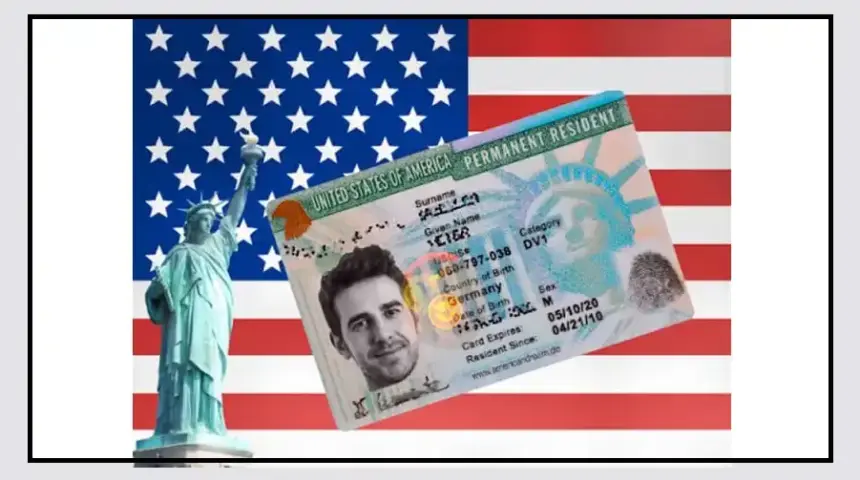
A green card, officially known as a Permanent Resident Card, allows a person to live and work permanently in the United States.

Why H-1B Indians Are Watching This Proposal
The proposal could be particularly important for Indian H-1B workers.
Indians make up the largest group of H-1B visa holders in the US, but many face extremely long waits for employment-based green cards because of the per-country limits.
If the proposal becomes law and an H-1B holder meets all the required conditions, it could provide another possible route toward permanent residency.
However, the proposal is not law yet. It would need to pass through the US legislative process before it could create any new green card pathway.
For now, the September Visa Bulletin itself offers the clearest positive news, with several family-based categories making significant progress while EB-1 India remains stuck at the same date.