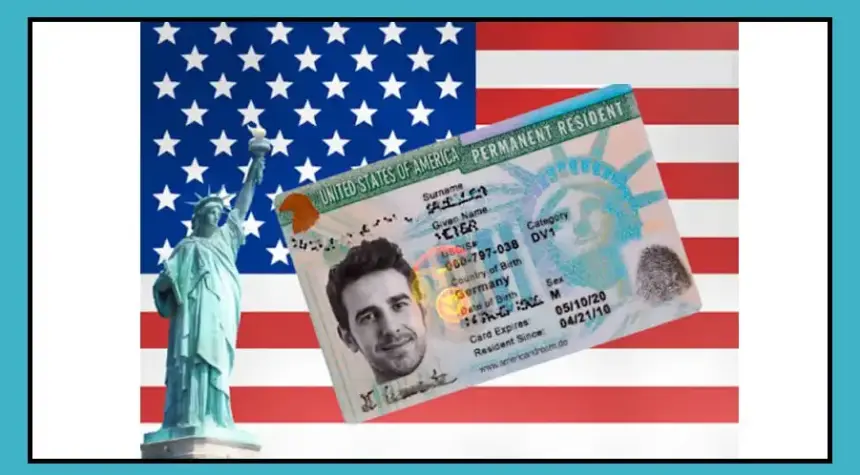
Indian workers in the US who have a Green Card can sponsor certain family members for permanent residency.
But there has now been an important change that sponsors should not ignore.
US Citizenship and Immigration Services (USCIS) has updated Form I-864, also known as the Affidavit of Support.
From August 31, 2026, USCIS will accept only the new version of the form.
There is no grace period for people who continue using the old form.
What Has Changed in Form I-864?
Form I-864 is used to show that a person sponsoring a family member has enough financial resources to support them if needed.
The biggest change in the updated form is a new privacy release section.
This section gives USCIS permission to request the sponsor’s credit information from credit-reporting agencies.
In simple words, USCIS now has another way to check the financial information of a person sponsoring a family member.
The American Immigration Lawyers Association (AILA) has also highlighted this privacy release as one of the most important changes in the new form.
Indians With a Credit Freeze Need to Be Careful
This change could be especially important for sponsors who have placed a credit freeze on their credit reports.
AILA has warned that if a sponsor’s credit report is frozen, USCIS may not be able to access the information it needs for verification.
This could potentially cause delays in processing the sponsorship application.
People with a credit freeze may therefore need to take steps to temporarily lift it when USCIS needs access to their credit information.
A credit freeze is commonly used in the US to prevent someone from opening new accounts using another person’s identity. It does not itself damage a person’s credit history or credit score.
Does USCIS Require a Minimum Credit Score?
There is one important point that many sponsors may be wondering about.
The revised Form I-864 does not mention any minimum credit score requirement.
USCIS has also not clearly stated whether every sponsor will undergo a credit check or whether credit information will be reviewed regularly.
A low credit score, high credit card debt, difficulty making payments, or even a previous bankruptcy does not automatically mean that a person cannot sponsor a family member.
However, immigration experts say it is still important to watch how USCIS uses this new authority.
The Basic Income Requirement Still Applies
The new credit-information provision does not replace the existing financial requirements for Form I-864.
Sponsors still generally need to show that they have sufficient financial resources.
The form can require information about:
Household size
Annual income
Family income
Federal tax returns
Income and assets
Generally, sponsors are expected to show income of at least 125% of the applicable federal poverty guidelines, subject to the rules and exceptions that apply to their situation.
For example, for a family of four in the Washington, D.C. area, the amount mentioned is $41,250, or roughly ₹40 lakh.

The exact amount can vary depending on the sponsor’s household size and applicable location.
What Should Green Card Sponsors Do Now?
If you are sponsoring a family member for a Green Card, make sure you are using the latest Form I-864.
Do not submit the old version assuming there will be a transition period.
And if your credit report has been frozen, check whether action is needed to allow USCIS to obtain the information required for verification.
The key takeaway is simple: USCIS now has an additional way to examine a sponsor’s financial background, so Indian Green Card holders sponsoring family members should be extra careful when preparing their paperwork.