

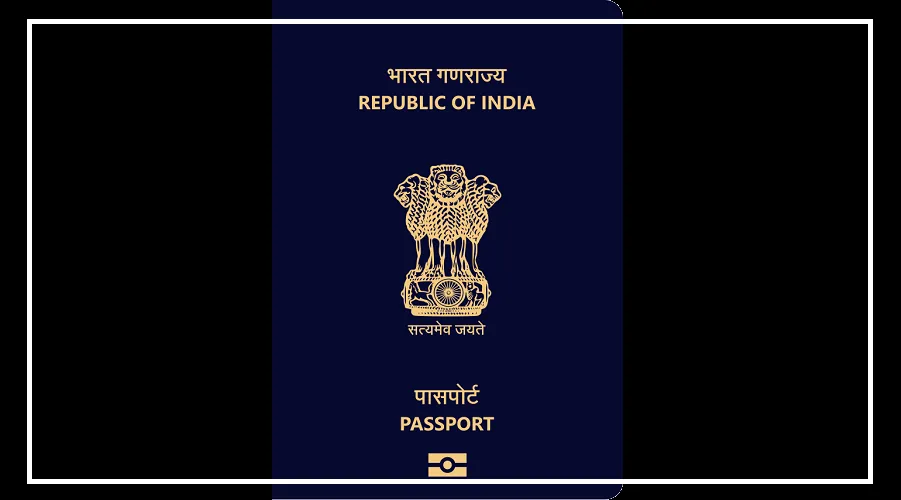
The Ministry of External Affairs (MEA) has clarified an important point about Indian passports.
According to the ministry, a passport should not be considered the final or conclusive proof of Indian citizenship.
The clarification comes amid growing discussions about which government documents can be used to establish citizenship and identity.
Officials explained that the primary purpose of a passport is to serve as an international travel document.
While it confirms a person’s nationality for travel purposes, it is not intended to act as a standalone legal certificate of citizenship in every situation.
Why Did the Government Issue This Clarification?
The statement was made during the 14th Passport Seva Divas celebrations, where the government highlighted improvements in passport services and the expansion of e-passports across the country.
According to officials, many people often assume that a passport alone is enough to establish citizenship in all circumstances.
The government clarified that different documents serve different legal purposes, which led to the need for this explanation.
The ministry emphasized that a passport is mainly designed to help citizens travel internationally and verify their identity abroad.
Passports Are Issued Only After Detailed Verification
The government also stressed that obtaining a passport is not a simple process.
Before issuing a passport, authorities conduct extensive verification of documents and personal information. Multiple government agencies may be involved in checking the details provided by applicants.
However, despite this strict verification process, the legal purpose of a passport remains unchanged.
It continues to be an international travel document rather than a definitive citizenship certificate.
India’s E-Passport Programme Expanding Rapidly
The MEA also shared updates on the country’s e-passport initiative.
More than 14 million chip-based e-passports have already been issued across India.
These passports contain an embedded electronic chip that securely stores biometric and personal information.
The new technology is expected to:
Improve security
Reduce document fraud
Speed up immigration processes
Enhance global acceptance of Indian passports
The government has also expanded Passport Seva Kendras and Post Office Passport Seva Kendras to make passport services more accessible, especially in smaller cities and rural areas.
How Is Indian Citizenship Determined?
Officials reiterated that citizenship in India is governed by the Citizenship Act, 1955, and related laws.
Under these provisions, citizenship may be acquired through:
Birth
Descent
Registration
Naturalisation
Incorporation of territory
The government clarified that citizenship matters continue to be decided under these legal provisions, not by any single identity document.

What Does This Mean for Passport Holders?
For most people, the clarification will not affect the everyday use of their passport.
Indian passports will continue to be one of the most trusted and secure government-issued documents for international travel and identity verification.
However, the MEA’s statement serves as a reminder that different government documents have different purposes.
While a passport confirms nationality for travel, questions related to citizenship are ultimately governed by Indian law and the provisions of the Citizenship Act.
This clarification aims to remove confusion and help citizens better understand the role of passports within India’s legal and administrative framework.