The central government has increased the windfall tax on diesel and aviation turbine fuel (ATF) exports, making overseas sales of these fuels more expensive.
However, the export duty on petrol has been left unchanged.
The revised tax rates came into effect from Tuesday and will remain applicable for the next fortnight.
The move comes as the government continues efforts to ensure adequate fuel availability within the country while keeping a close watch on global oil market developments.
How Much Has the Export Duty Increased?
According to a notification issued by the Finance Ministry, the Special Additional Excise Duty (SAED) on diesel exports has been increased from ₹13.5 per litre to ₹14 per litre.
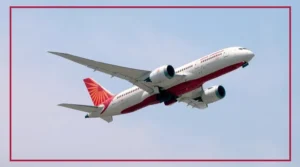
The duty on aviation turbine fuel (ATF), which is used in aircraft, has seen a bigger increase.
It has been raised from ₹9.5 per litre to ₹12.5 per litre.
However, there is no change in the export duty on petrol.
It will continue to remain at ₹1.5 per litre.
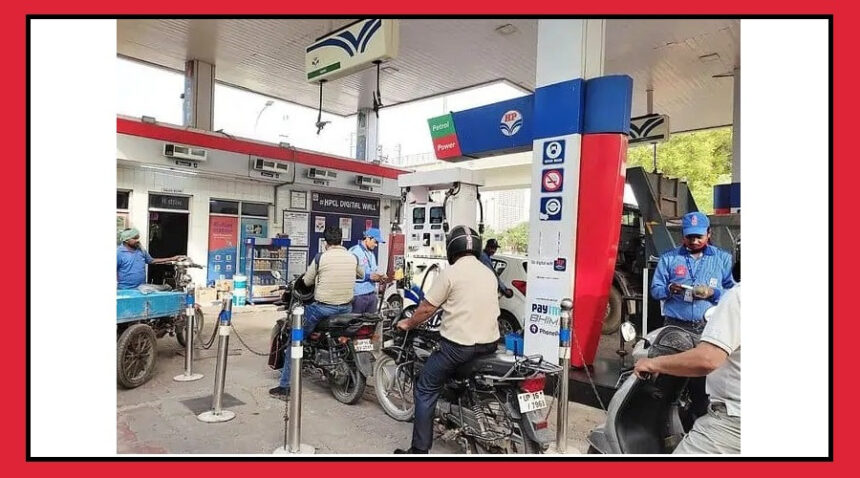
The government has also decided not to change the existing duty rates on petrol and diesel sold within India.
Why Has the Government Increased the Tax?
The windfall tax was introduced to discourage excessive exports and ensure sufficient fuel supplies for domestic consumers, especially during periods of high global crude oil prices.
Global oil prices have remained volatile due to tensions in West Asia, prompting governments around the world to monitor fuel supplies and pricing closely.
By increasing export duties, the government aims to make exports less attractive and encourage companies to prioritize domestic markets.
What Were the Earlier Tax Rates?
The last revision was announced in May for the fortnight beginning June 1.
At that time, export duties were set at:
Petrol: ₹1.5 per litre
Diesel: ₹13.5 per litre
ATF: ₹9.5 per litre
With the latest revision, only diesel and ATF have become costlier to export, while petrol duty remains unchanged.
Background: Why Was the Windfall Tax Introduced?
The government first imposed export duties on diesel and ATF after geopolitical tensions in West Asia pushed global crude oil prices higher.
The objective was to improve fuel availability within the country and prevent excessive exports during a period of uncertainty in international energy markets.
Whenever global fuel prices rise sharply, oil companies can earn higher profits by exporting fuel.
The windfall tax helps the government balance exports with domestic fuel needs.
Earlier Increase in Excise Duty
In April, the government had also increased excise duties on several petroleum products, including high-speed diesel.
At that time, the export duty on diesel was raised significantly from ₹21.5 per litre to ₹55.5 per litre.
Additionally, the Centre increased the Road and Infrastructure Cess on diesel to ₹36 per litre under the provisions of the Finance Act, 2018.
With the latest hike in export duties, the government has once again signaled its focus on maintaining domestic fuel supplies while responding to changing global energy market conditions.