The Government of India is working on new labour rules that could change how workers are paid across the country.
At the centre of this reform is a plan to introduce a national “floor wage”—a minimum level of pay that applies across all states.
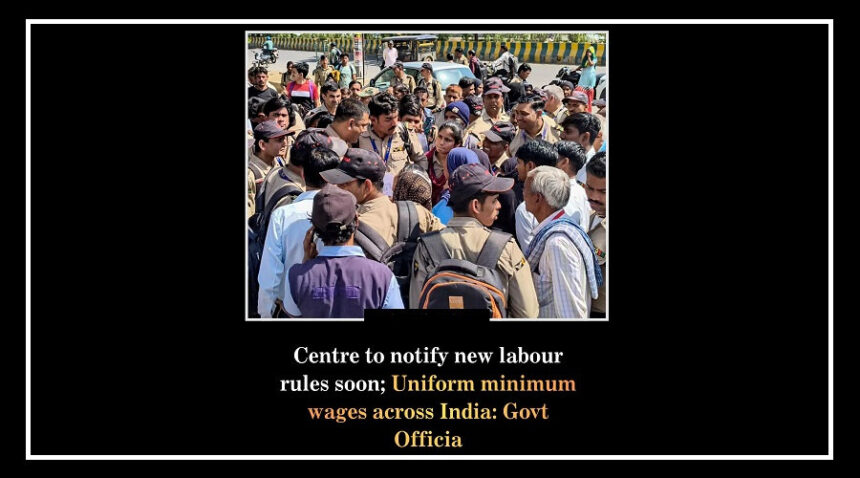
The move comes after recent protests in places like Noida, where workers raised concerns about low wages and poor working conditions.
What Is the “Floor Wage” System?
The biggest change is the introduction of a national base wage.
Under this system:
States cannot set minimum wages below the floor level
They can offer higher wages, but not lower
Workers across India will have a basic income standard
This is expected to reduce major wage differences between states and bring more fairness into the system.
Why This Change Is Important
Right now, minimum wages vary widely across states.
In some cases, workers in one state earn almost double compared to another for similar work.
This gap has led to frustration, especially in industrial areas like Noida, where workers protested against lower wages compared to nearby regions like Delhi and Haryana.
The government believes a uniform wage floor can help prevent such conflicts in the future.
Other Key Changes in the New Labour Rules
The reforms go beyond just wages.
Under the Code on Wages, 2019, several worker-friendly measures are being introduced:
Mandatory appointment letters for all workers
Timely payment of wages
Equal pay for equal work
Standard labour rules across states
These steps aim to improve transparency and protect workers’ rights.
When Will These Rules Come Into Effect?
The government is expected to announce these rules soon.
However, full implementation will depend on states updating and aligning their own labour laws.
So far, only a few states have completed this process.
A Shift Towards a Unified System
This reform signals a bigger change in India’s labour system.
The country is moving from a state-based wage system to a more standardised national framework.
The goal is to balance:
Worker welfare
Industrial stability
Ease of doing business
Final Take
Uniform minimum wages could be a major step forward for India’s workforce.

If implemented well, it can reduce wage inequality, improve working conditions, and prevent unrest.
But the real impact will depend on how effectively states adopt and enforce these new rules on the ground.