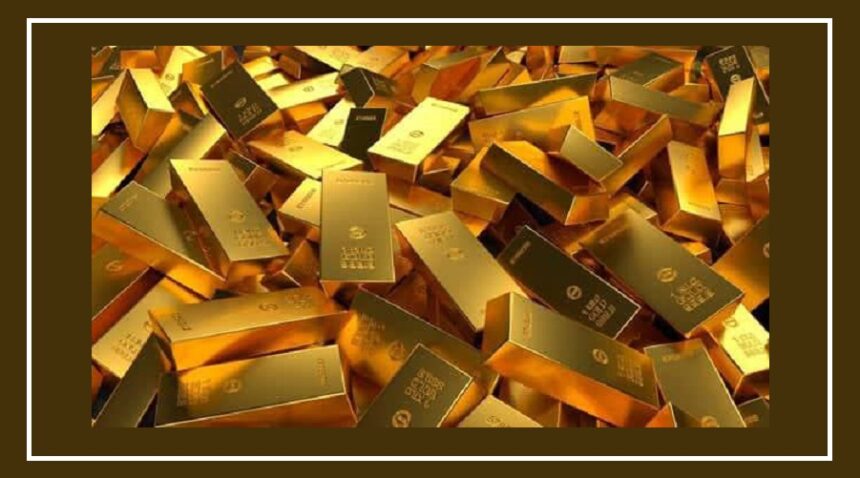
Gold and silver prices declined by more than 1% on Tuesday after the recent rally triggered by the pause in strikes between Iran and the US.
On the Multi Commodity Exchange (MCX), silver futures due on September 4 dropped to Rs 2,16,900 per kg.
Gold futures expiring on August 5 also fell by 0.78% to Rs 1,41,910 per 10 grams.
Despite the fall in domestic markets, international precious metal prices showed gains during the session.
International Gold and Silver Market Update
In the global market, spot gold prices increased by 0.91%, trading at around $4,089 per ounce.
Silver prices also moved higher, rising 2.23% to reach nearly $59 per ounce.
The movement in global prices reflects changing investor sentiment as markets continue to track geopolitical developments, currency movements, and economic conditions.
Gold and Silver Prices Across Indian Cities on July 28, 2026
| City | Gold Retail 999 | Silver Retail 999 |
|---|---|---|
| Ahmedabad | ₹1,42,143 | ₹2,21,987 |
| Bengaluru | ₹1,42,233 | ₹2,22,122 |
| Chennai | ₹1,42,328 | ₹2,22,062 |
| Delhi | ₹1,42,243 | ₹2,22,037 |
| Hyderabad | ₹1,42,293 | ₹2,21,997 |
| Jaipur | ₹1,42,093 | ₹2,21,962 |
| Kolkata | ₹1,41,843 | ₹2,22,062 |
| Mumbai | ₹1,42,043 | ₹2,21,962 |
Rates are for Gold Retail 999 and Silver Retail 999. GST is charged separately.
5 Major Factors That Influence Gold and Silver Prices
Precious metal prices change regularly due to several global and domestic factors. Here are the key reasons behind price movements:
US Dollar Movement
Gold and silver prices are closely linked to the US dollar because both metals are traded internationally in dollar terms.
When the dollar becomes stronger, gold and silver become more expensive for buyers using other currencies. This can reduce demand and put pressure on prices.
A weaker dollar, on the other hand, usually supports higher prices for precious metals.
Interest Rate Changes
Interest rates have a major impact on gold and silver demand.
Since precious metals do not provide interest income, higher interest rates can make investments like bonds and fixed deposits more attractive compared to gold and silver.
Lower interest rates often increase investor interest in precious metals.
Inflation Concerns
Gold is often considered a safe investment during periods of rising inflation.
When the cost of goods and services increases, investors often turn to gold as a way to protect their wealth.
Silver can also benefit from inflation concerns, but its price is influenced more heavily by industrial demand.
Global Events and Economic Uncertainty
Geopolitical tensions, wars, financial crises, and economic slowdowns can increase demand for safe-haven assets like gold.
Investors often buy gold during uncertain times because it is considered a store of value.
Silver prices can also rise during such periods but usually experience larger price fluctuations.
Demand and Supply Factors
The availability and demand for gold and silver directly impact their prices.
Gold demand mainly comes from jewellery, central banks, investment products like ETFs, and technology industries.
Silver has strong industrial demand, especially in sectors like electronics, solar panels, and electric vehicles, along with jewellery and investment use.
Changes in mining production, industrial usage, and investor demand can cause prices to rise or fall.
What to Watch Next?
Gold and silver prices are likely to remain sensitive to global developments, including geopolitical updates, interest rate decisions, currency movements, and changes in investor demand.
Market participants will continue tracking these factors to understand the next price trend.