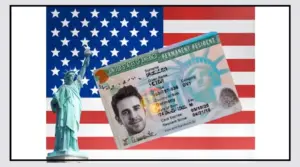


US Green Card sponsorship rules may become stricter for Indian professionals as the US Department of Labor (DOL) has proposed major changes to the employment-based immigration process.
The proposed changes could make it more difficult for American companies to sponsor foreign workers, particularly those applying through the EB-2 and EB-3 Green Card categories.
The proposal focuses on strengthening the Permanent Labour Certification programme, commonly known as PERM.
Under this system, employers generally need to demonstrate that qualified American workers are not available for a particular position before sponsoring a foreign employee for permanent residency.
The proposed changes could affect thousands of Indian professionals working in the United States, including H-1B visa holders waiting for employer-sponsored Green Cards.
Longer recruitment requirements, additional employer checks and restrictions following layoffs are among the major developments.
US Green Card Sponsorship Rules: What Is Changing?
The US Department of Labor has proposed a comprehensive update to the PERM programme, which governs an important stage of employment-based Green Card sponsorship.
One major change involves the recruitment process. Companies would be required to use modern recruitment methods instead of relying primarily on traditional newspaper advertisements.
Employers may need to advertise vacancies through company websites, online job portals, social media platforms, job fairs and campus recruitment programmes.
The proposed rules would also require companies to keep job advertisements open for at least 90 calendar days.
If an employer normally advertises similar positions for a longer period, that longer recruitment period would have to be followed.
Companies would also need to demonstrate that they made genuine efforts to find qualified American candidates before offering the position to a foreign worker.
This could increase the time and administrative work involved in sponsoring international employees.
Companies With Recent Layoffs May Face Restrictions
Another significant part of the proposal concerns companies that have recently laid off American employees.
Under the proposed rules, employers could be restricted from filing PERM applications if they have laid off US workers in the same or similar occupations at the relevant work location during the previous two years.
This provision is particularly relevant for technology companies and other businesses that have reduced their workforce while continuing to recruit foreign professionals.
The proposal also introduces additional responsibilities if a company lays off American workers after submitting a PERM application.
In such situations, employers would have to consider potentially qualified workers who lost their jobs before proceeding with foreign-worker sponsorship.
The requirement could continue until the related Form I-140 immigrant petition receives approval or the case reaches a final decision.
Employers would also face new reporting requirements, including notifying the relevant authorities about qualifying layoffs within five business days.
These measures are intended to ensure that companies consider available American workers before sponsoring foreign employees for permanent positions.
Nurses and Physical Therapists Could Also Be Affected
The proposed changes could also affect certain occupations that currently benefit from special exemptions under a system known as Schedule A.
At present, professional nurses and physical therapists are among the occupations that can avoid the usual PERM labour market test through this exemption.
Certain individuals with exceptional ability in the sciences, arts and performing arts are also covered by Schedule A provisions.
The Department of Labor has proposed ending the existing administrative exemptions under this system.
If the proposal becomes final in its current form, employers sponsoring workers in these categories would also have to complete the regular labour market recruitment process.
This could add more documentation, recruitment requirements and processing time for employers seeking to hire foreign professionals in these occupations.
For Indian healthcare professionals planning to work permanently in the United States, this proposed change is particularly important to monitor.
How Could the Proposed Rules Affect Indian H-1B Workers?
Indian professionals are among the important groups using employment-based immigration pathways to obtain permanent residency in the United States.
Many skilled Indian workers enter the country through H-1B visas and later depend on their employers to sponsor them for Green Cards under the EB-2 or EB-3 categories.

The proposed PERM changes could affect these workers in several ways.
First, the minimum 90-day recruitment requirement could make the sponsorship process longer. Employers would need additional time to advertise positions, review applications and document their recruitment efforts.
Second, companies with recent layoffs could face restrictions on sponsoring foreign workers for similar positions.
This may create additional challenges for Indian professionals employed in industries that have experienced workforce reductions.
Third, employers could face higher administrative and compliance responsibilities. Some companies may need to reconsider their recruitment procedures before sponsoring international employees.
However, the proposal does not automatically cancel existing Green Card applications or remove the current eligibility of Indian H-1B workers.
The actual impact will depend on the final regulations and how the government implements the changes.
When Will the New Green Card Rules Take Effect?
The proposed changes are not yet final law. The US Department of Labor published the proposal in the Federal Register on November 17, 2026, and invited the public to submit comments.
The public comment period is scheduled to remain open until January 19, 2027.
During this period, individuals, businesses, immigration professionals and other interested parties can share their views on the proposed changes.
The department will review the feedback before deciding whether to issue a final rule.
If the proposal is finalised, the changes would generally take effect 60 days after publication of the final regulations, subject to the applicable transition provisions.
Until then, the existing PERM requirements continue to apply.
Indian professionals planning to seek permanent residency through employer sponsorship should follow developments closely and discuss their immigration plans with their employers or qualified immigration advisers.