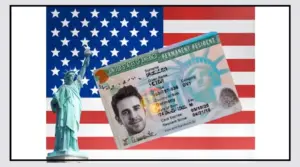



IBM Visa Sponsorship Policy changes have raised concerns among Indian professionals working in the United States, as the technology company has decided to stop sponsoring H-1B visas and employment-based Green Cards for most positions in its consulting division.
The decision could affect foreign employees who depend on company sponsorship to continue working in the US and pursue permanent residency.
The development is particularly important for Indian technology professionals, many of whom use employer-sponsored H-1B visas to build their careers in the United States.
However, IBM’s decision is limited to most roles in its consulting business and does not represent a company-wide withdrawal of visa sponsorship.
According to reports, IBM Consulting employs more than 150,000 people.
The company has not publicly disclosed the exact number of employees who will be affected or provided a complete list of positions covered by the decision.
What Is Changing Under IBM Visa Sponsorship Policy?
IBM has decided to discontinue H-1B visa and Green Card sponsorship for the majority of positions in its IBM Consulting division.
The company previously participated in US high-skilled visa programmes to address shortages of specialised professionals.
An IBM spokesperson said the company’s participation in these programmes had been declining for several years. The decision was attributed to changes in the availability of skilled workers and evolving client requirements.
The company indicated that it increasingly finds the skills it needs in the available workforce. As a result, it has decided to reduce its dependence on employment-based immigration sponsorship for most consulting roles.
The change covers a significant part of IBM’s consulting operations, but the company has not clarified which specific positions, if any, will continue to qualify for sponsorship.
What Will Happen to Affected Indian Employees?
The decision has created uncertainty for foreign professionals, particularly Indian employees who depend on IBM for their US work authorisation or Green Card applications.
According to a company document reviewed by Bloomberg, employees affected by the change have been given two options.
They can continue working for IBM from outside the United States or leave the company by the end of 2026.
This means affected employees may have to consider relocating to another country if they want to continue their careers with IBM.
Those who wish to remain in the US may need to explore employment opportunities with another company willing to sponsor their immigration status.
However, the decision does not mean that every Indian employee working at IBM will lose their job. Its impact will depend on the employee’s role, immigration status and individual sponsorship arrangements.
IBM has also not publicly explained how every existing visa and pending Green Card application will be handled under the revised approach.
What Happens to H-1B Visa and Green Card Holders?
The impact could differ depending on whether an employee currently holds an H-1B visa or is waiting for employment-based permanent residency.
The H-1B visa allows US employers to hire foreign professionals for specialised occupations.
It is an employer-sponsored work visa, which means employees generally need an eligible sponsoring employer to maintain their employment-based immigration status.
If an affected employee wants to continue working in the US, finding another employer willing to sponsor an H-1B petition may become an important consideration.
Green Card applications follow a separate process.
Employment-based permanent residency generally involves labour certification, an immigrant petition and, depending on the applicant’s circumstances, an application to adjust immigration status.
The consequences of IBM withdrawing sponsorship can vary according to the stage of an employee’s application.
Workers with pending applications should seek qualified immigration advice before making decisions about changing employers or relocating.
Importantly, IBM’s announcement does not establish that all existing H-1B visas have automatically been cancelled. The company has also not provided a detailed public explanation of the treatment of every pending Green Card case.
Why Is IBM Changing Its US Hiring Approach?
IBM’s decision comes at a time when the US technology industry is facing increased scrutiny over foreign-worker hiring and employer-sponsored immigration programmes.
The Trump administration has taken several steps to tighten oversight of employment-based immigration.
These developments have created additional uncertainty for technology companies that rely on international professionals.

In October 2026, Microsoft, Adobe and several major outsourcing companies, including Cognizant, Infosys and Tata Consultancy Services, faced suspension from the Permanent Labour Certification process, an important step in many employment-based Green Card applications.
However, IBM has attributed its own decision to changing skill availability and client requirements rather than announcing that it was responding to a specific government action against the company.
For Indian professionals working in the US, the development highlights the importance of understanding employer sponsorship policies before making long-term career and immigration plans.