

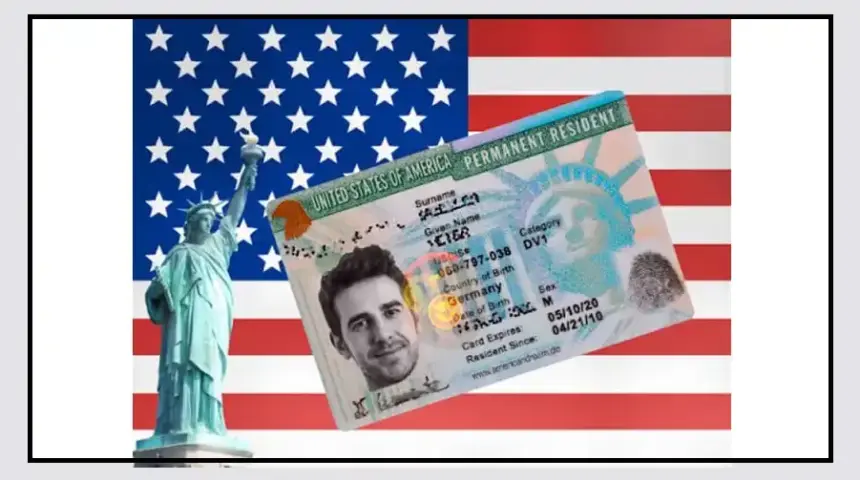
US Green Card Tax Scrutiny is becoming stricter, creating fresh concerns for Indian professionals and other foreign nationals seeking permanent residency in America.
The US Citizenship and Immigration Services (USCIS) is now placing greater emphasis on applicants’ tax compliance, and unpaid taxes or unfiled returns could negatively affect green card approval.
The revised approach gives immigration officers greater discretion to examine an applicant’s overall financial and personal circumstances instead of focusing only on basic eligibility requirements.
The change could affect employment-based and family-sponsored green card applications, including cases involving US citizens sponsoring their relatives.
The development is particularly important for Indian technology professionals who are already dealing with lengthy green card waiting periods and employment-related immigration challenges.
US Green Card Tax Scrutiny: What Has Changed?
The stricter approach follows a USCIS policy memorandum issued in May 2026. Under this guidance, Adjustment of Status (AOS) is treated as a discretionary immigration benefit.
Adjustment of Status is the process through which eligible foreign nationals already living in the United States can apply for lawful permanent residency without leaving the country.
Previously meeting the basic eligibility requirements was central to the application process.
Under the revised approach, immigration officers are expected to consider additional positive and negative factors before deciding whether to approve an application.
Tax compliance is among the factors receiving greater attention. Applicants with outstanding federal, state or local tax liabilities could face additional scrutiny during the green card approval process.
This means that having an eligible employment or family sponsorship does not necessarily guarantee approval if other circumstances raise concerns during the discretionary assessment.
Unpaid Taxes Could Create Problems for Indian Workers
The revised policy could create difficulties for Indian professionals who have outstanding tax payments or have not completed their tax filings.
Immigration lawyers have warned that even applicants who have received an extension to file their tax returns or are paying outstanding taxes through instalment arrangements could face problems.
For example, an Indian professional working in the US on an H-1B visa who applies for permanent residency through an employer may face additional questions if their tax records show unpaid liabilities.
Applicants who have entered into repayment arrangements with the Internal Revenue Service (IRS) or state tax authorities may also need to explain their financial situation.
Immigration attorneys have advised people preparing green card applications to review their tax records, file outstanding returns and address unpaid liabilities before submitting their applications or attending interviews.
However, tax dues do not automatically mean that every green card application will be rejected.
USCIS officers assess individual circumstances, and the final decision depends on the overall application and applicable immigration requirements.
US Citizens Sponsoring Family Members Also Face Scrutiny
The revised approach could also affect US citizens sponsoring their family members for permanent residency.
Family-based green card applications generally require the sponsoring citizen to submit an Affidavit of Support.
This document demonstrates that the sponsor has sufficient financial resources to support the relative seeking permanent residency.
Tax returns and financial records are important documents used to establish the sponsor’s financial position.
If the sponsoring citizen has unpaid tax liabilities or incomplete tax filings, these issues could become relevant during the assessment.
Therefore, the new scrutiny is not limited to foreign employees applying through companies. It may also affect families sponsoring relatives through the US immigration system.
Tax Compliance May Also Affect US Citizenship Applications
The impact of the stricter approach could continue even after a foreign national receives a green card.
Permanent residents who later apply for US citizenship through naturalisation must generally demonstrate good moral character as part of the eligibility assessment.
USCIS considers compliance with tax obligations when evaluating this requirement.
Applicants with overdue federal, state or local taxes may be asked to provide evidence that they have filed the required returns and addressed their outstanding liabilities.
Entering into a repayment agreement with the relevant tax authority may help demonstrate that the applicant is addressing the issue.
This makes maintaining accurate tax records important not only during the green card process but also when applying for American citizenship in the future.

Legal Challenge Filed Against the New USCIS Policy
The stricter tax scrutiny has also faced legal opposition in the United States.
On October 5, 2026, a coalition of immigration advocacy organisations, unions and individual applicants filed a lawsuit against the Department of Homeland Security and USCIS in a federal district court in Massachusetts.
The plaintiffs have challenged the policy on several legal grounds, including the Administrative Procedure Act, the Immigration and Nationality Act and constitutional due process protections.
They have asked the court to block the policy while the legal proceedings continue.
However, the legal challenge remains pending, and no court order blocking the policy had been issued in the latest reported update.
The outcome of this case could be important for foreign nationals who are preparing permanent residency applications under the revised approach.
What Indian Green Card Applicants Should Do Now
Indian professionals planning to apply for a US green card should pay close attention to their financial and tax records.
Applicants should ensure that all required tax returns have been filed and review whether any federal, state or local tax payments remain outstanding.
Those who are already following an instalment payment arrangement should maintain records of their agreements and payments.
It is also advisable to consult a qualified US immigration attorney and tax professional before filing an application.
The latest development adds another consideration for Indian workers pursuing permanent residency in America.
Along with employment sponsorship, visa eligibility and documentation, maintaining proper tax compliance could play an important role in the immigration process.