


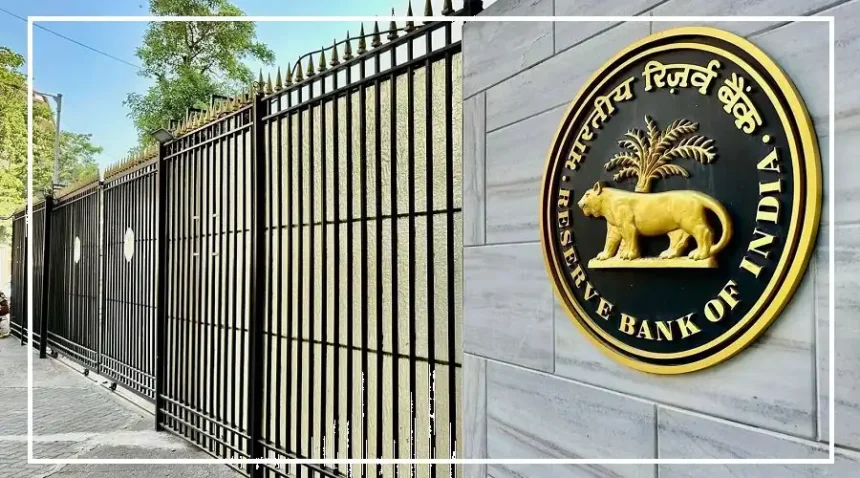
The RBI Special Forex Window will provide the full daily US dollar requirements of three state-run oil marketing companies from October 12, 2026, as the Indian rupee remains under pressure against the US dollar.
The Reserve Bank of India (RBI) announced the facility to give Indian Oil Corporation (IOC), Hindustan Petroleum Corporation (HPCL) and Bharat Petroleum Corporation (BPCL) a dedicated channel for accessing foreign currency.
Under the arrangement, the RBI will sell US dollars to these companies through designated banks.
The facility will remain in place until further notice, allowing the three public sector companies to meet their daily foreign exchange needs without relying entirely on the regular spot currency market.
How the RBI Special Forex Window Works
Oil marketing companies require substantial amounts of US dollars to pay for crude oil imports and other overseas expenses.
Since crude oil is traded internationally largely in dollars, a weaker rupee can increase the amount Indian companies need to pay for the same quantity of imported oil.
Under the new arrangement, the RBI will directly supply the dollars required by IOC, HPCL and BPCL through designated banks.
This separates the companies’ daily dollar demand from the usual spot foreign exchange market, potentially easing some of the immediate pressure on the rupee.
The central bank announced the facility after assessing prevailing market conditions.
It has not disclosed the expected volume of dollars to be supplied or specified an end date beyond stating that the arrangement will continue until further notice.
Why the RBI Is Taking This Step
The decision comes as the rupee trades close to its record low against the US dollar.
On October 9, 2026, the Indian currency closed at Rs 96.73 per dollar, keeping pressure on the country’s import costs and foreign exchange market.
India’s dependence on imported crude oil makes the exchange rate particularly important.
When the rupee weakens, oil companies generally need more rupees to purchase the dollars required for overseas payments, potentially increasing their operating costs.
By meeting the daily dollar requirements of the three public sector oil marketing companies through a separate facility, the RBI aims to reduce their immediate demand in the open market.
However, the measure does not guarantee that the rupee will strengthen, as currency movements also depend on international oil prices, capital flows and broader dollar demand.
RBI Tightens Rules for Forex Derivatives
Alongside the special dollar window, the RBI has introduced additional measures governing foreign exchange derivatives involving the rupee.
These steps are intended to strengthen market discipline and improve risk management amid currency market volatility.
The revised measures include restrictions on rebooking cancelled rupee-linked foreign exchange derivative contracts.
The RBI has also reduced the limit for positions in exchange-traded rupee currency derivatives from $100 million to $5 million.
In addition, authorised foreign exchange dealers must maintain a foreign exchange risk reserve equal to 20% of the notional amount of specified eligible derivative transactions.
The measures also introduce documentation requirements to help ensure that the same underlying exposure is not hedged through multiple dealers.
These changes form part of the central bank’s broader effort to manage pressure in the foreign exchange market.
The special dollar facility addresses the daily requirements of three major oil importers, while the derivatives-related measures focus on trading practices and risk management.
What the New Dollar Facility Means for India
The special arrangement provides IOC, HPCL and BPCL with a dedicated route to obtain dollars for their daily operations.
By shifting their requirements to this channel, the RBI may help reduce immediate competition for dollars in the spot market.
The move is also relevant for India’s wider economy because crude oil imports affect the country’s foreign exchange requirements.
Persistent rupee weakness can make imports more expensive in domestic currency, while higher import bills can add pressure to inflation and business costs.
However, the direct impact will depend on how the facility operates and broader market conditions.
The RBI has not announced the expected dollar supply volumes or provided a detailed assessment of the likely effect on the exchange rate.
For now, the key development is that the central bank will begin meeting the full daily dollar requirements of the three state-run oil marketing companies from October 12.
The facility will continue until further notice, with its broader effect depending on currency market conditions and the RBI’s subsequent actions.