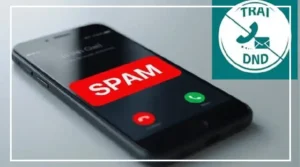


TRAI anti-spam rules now require telecom operators to act against callers identified as suspected spammers by AI-based caller identification systems, even when consumers have not filed a complaint.
The revised framework is aimed at strengthening action against unsolicited commercial communications.
Under the new provisions, telecom service providers can identify numbers with a high probability of being used for spam and share relevant information with other operators.
TRAI Anti-Spam Rules Tighten Action on Spammers
The amended framework brings AI-based detection into the regulatory process.
If multiple numbers linked to the same sender are flagged, telecom operators can carry out further verification and take graded action against suspected violations.
The measures can include KYC re-verification, physical verification, restrictions on outgoing services and, in cases involving repeated violations, disconnection of telecom resources.
What Happens After AI Flags a Number
According to the reported rules, a first violation can result in an outgoing service ban for 15 days. Repeat violations can lead to the disconnection of telecom resources and blacklisting for one year.
The framework also strengthens action against commercial communication sent from ordinary 10-digit numbers.
TRAI defines spam or unsolicited commercial communication as unwanted messages or voice calls that are not covered by the recipient’s consent or registered preferences.
New Rules Also Cover Automated Calls
The revised regulations introduce provisions for Application-to-Person calls, including calls generated through software, autodialling, robocalls and prerecorded or artificial voice systems.
Entities using such automated calling systems will have to declare their use and the numbers involved to their telecom service provider.
Calls made without the required declaration can be treated as unsolicited commercial communication.
How the New Rules Affect Mobile Users
For consumers, the changes mean telecom operators can take action based on network-level detection instead of relying only on individual spam complaints.
The framework also includes safeguards concerning call-management applications and designated numbering series used for regulated commercial calls.
The new TRAI anti-spam rules are part of a broader effort to curb unwanted commercial calls and messages while creating a more structured system for identifying and dealing with suspected spam activity.