
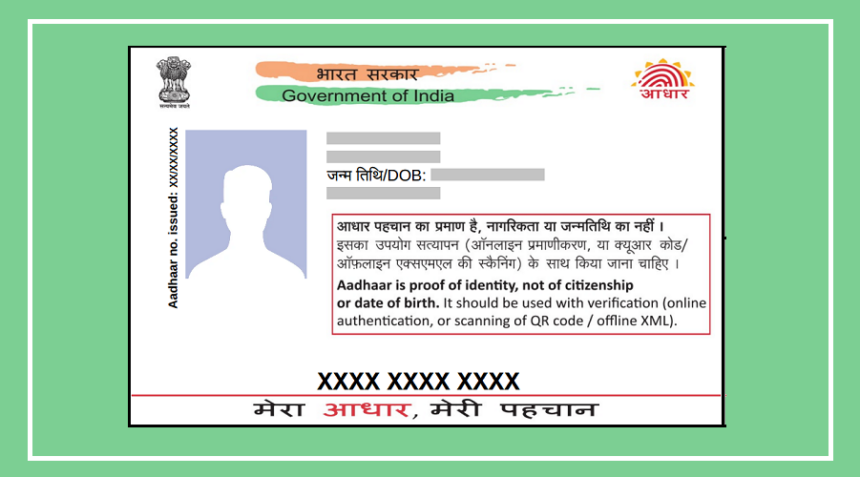
The Unique Identification Authority of India has made Aadhaar services more digital.
But even today, many places still ask for a physical Aadhaar card for KYC.
What most people don’t know is that you can complete offline Aadhaar KYC without showing your card, OTP, or biometrics.
This method helps you protect your personal data while still completing verification easily.
What Is Offline Aadhaar KYC and Why It Matters
Offline KYC is a secure process available on the official UIDAI website.
It allows you to share only the required details without exposing your full Aadhaar information.
Instead of handing over your Aadhaar card, you generate a secure digital file or QR code.
This is especially useful in places where Aadhaar is required, but you want to maintain your privacy and avoid misuse of your data.
Key Benefits You Should Know
Offline Aadhaar KYC comes with several advantages:
You don’t need to submit a physical copy of your Aadhaar
No OTP or mobile network is required during verification
No need for biometrics like fingerprint or iris scan
You can choose what data to share
Your data stays secure in a digitally signed file
Since the file is tamper-proof, any changes can be easily detected during verification.
Step-by-Step: How to Do Offline KYC
Follow these simple steps to complete your offline Aadhaar KYC:
Visit the official UIDAI website: myaadhaar.uidai.gov.in
Log in using your Aadhaar number and OTP
Go to the dashboard and select the Offline e-KYC option
Create a 4-digit Share Code (this acts as a password)
Click on download to get your ZIP file
Share this file and the code with the institution (bank, telecom, etc.)
The organization will use this file to complete your KYC securely.
Important Things to Keep in Mind
Before using offline KYC, remember these points:
Your 4-digit share code is sensitive—only share it with trusted entities
Do not change the ZIP file format or file name
The file is not permanently valid, so download a fresh one when needed