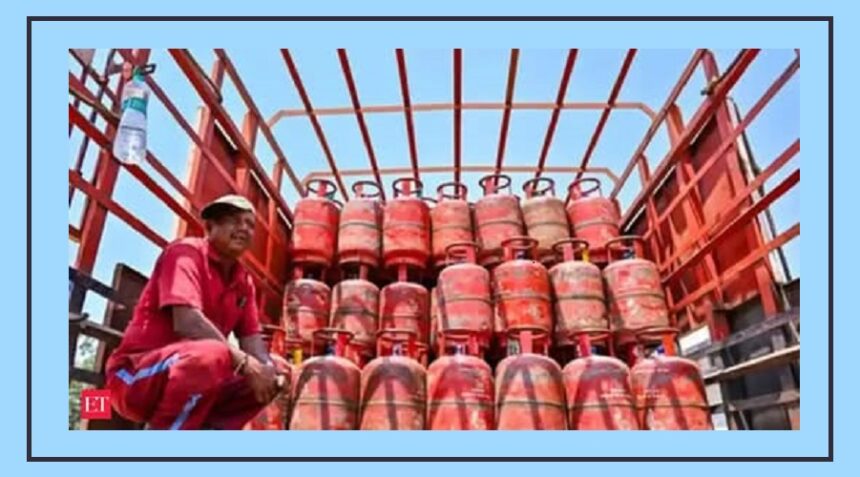
The shortage of LPG due to tensions like the US-Iran conflict has pushed many Indian households towards piped natural gas (PNG).
Slowly, the familiar red LPG cylinders are being replaced by yellow gas pipelines running along walls in homes.
In just one month, around 8 lakh new PNG connections have been added.
This shows that India is Rapid growth moving towards a new and more modern way of cooking gas supply.
Rapid Expansion of PNG Network
The government and gas companies are working together to expand PNG connections at a fast pace.
According to a report by The Times of India, the growth of piped gas connections is currently at an all-time high.
At present, 100% of domestic PNG demand is being met through pipelines, while about 80% of commercial demand is also covered.
At the same time, around 50 lakh LPG cylinders are still being supplied regularly, but the focus is clearly shifting towards pipelines.
People Giving Up LPG Cylinders
The government has started a campaign asking people who already use PNG to surrender their LPG connections.
This effort is showing results.
So far, more than 16,000 people have voluntarily given up their LPG cylinders.
To encourage others, a special portal has been created where people can submit their details and even get recognition in a “Hall of Fame.”
Why PNG Is Becoming Popular
The main reason behind the growing popularity of PNG is the shortage of LPG caused by global issues like the US-Iran situation.
PNG provides a continuous supply of gas, so there is no need to book cylinders again and again.
It is also considered more convenient and efficient for daily use.
Technology Making Gas Delivery Safer
The government is also using technology to make gas distribution more transparent and reduce black marketing.
Online booking of LPG cylinders has reached a record 95%.
Another big improvement is the use of authentication codes during delivery.
Earlier, only 53% of deliveries used this code system, but now it has increased to 90%.
This ensures that cylinders are delivered to the right person and helps prevent misuse.