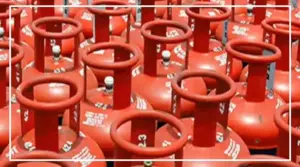


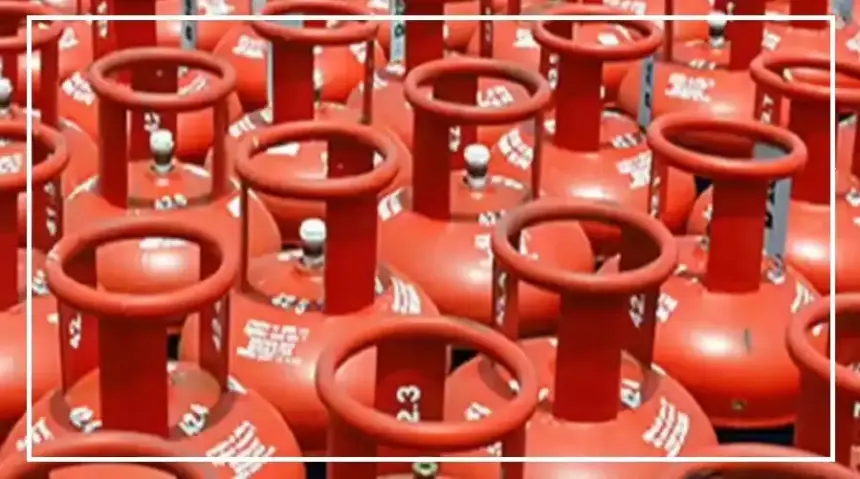
LPG Gas Cylinder Rules From December 1 will remain an important concern for household consumers using Indane, HP Gas and Bharat Gas.
Several existing regulations will continue in December 2026, while consumers will also be watching for the next monthly revision of domestic and commercial LPG prices.
The key areas include Aadhaar-based biometric authentication, LPG subsidy eligibility, cylinder booking intervals, delivery verification and restrictions on households with piped natural gas (PNG) connections.
Importantly, not all these provisions are new rules beginning on December 1.
Many were introduced earlier and are expected to remain applicable throughout December unless the government announces further changes.
LPG Gas Cylinder Rules From December 1: Price Changes
One of the biggest developments consumers will watch is the monthly revision of LPG cylinder prices on December 1.
Commercial LPG prices are revised periodically in line with international fuel costs and other market factors.
Domestic 14.2-kg LPG cylinder prices, however, are influenced by government policy and are not automatically revised in the same way.
In November 2026, the 19-kg commercial cylinder price stood at Rs 2,820 in Delhi, Rs 2,971 in Kolkata, Rs 2,775 in Mumbai and Rs 2,994.50 in Chennai.
Domestic LPG prices had remained unchanged since June 7, 2026, according to the report. Whether consumers will see an increase, reduction or no change in December will depend on the next official price revision.
India imports a substantial portion of its LPG requirements, making international prices and import costs important factors in determining domestic fuel economics.
Aadhaar e-KYC and LPG Subsidy Rules
Aadhaar-based biometric authentication is another important requirement for domestic LPG consumers.
From October 1, 2026, consumers must complete Biometric Aadhaar Authentication (BAA) to book refills at the regulated retail selling price with the applicable subsidy.
Consumers who have already completed biometric authentication do not need to repeat the process. Those who have not completed it may face restrictions on subsidised refill bookings until authentication is completed.
Customers can complete the process through the following methods:
During cylinder delivery, with the delivery person’s assistance.
By visiting their LPG distributor.
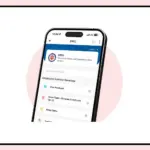
Through the official mobile applications of the oil marketing companies.
Indane customers can use IndianOil ONE, Bharat Gas customers can use HelloBPCL, and HP Gas customers can use HP PAY.
Consumers who are unwilling or unable to complete biometric authentication can still receive LPG at the applicable market price without subsidy, subject to the available supply options.
PNG Connection and LPG Booking Restrictions
Another important provision concerns households that have both LPG and piped natural gas connections.
Under the amended LPG supply rules notified in May 2026, a household that obtains a PNG connection must stop taking domestic LPG refills.
It must also apply to terminate its LPG connection or obtain a transfer voucher for a future connection in a non-PNG area within 30 days of obtaining the PNG connection.
The restriction is intended to prevent households from maintaining both domestic cooking fuel arrangements at the same time.
Consumers should therefore check their connection status and follow the applicable requirements when switching to piped natural gas.
LPG refill booking intervals are also expected to continue in December. The reported rules provide for a minimum 25-day gap between refill bookings for both rural and urban consumers.
This means customers should plan their cylinder bookings accordingly rather than expecting an immediate replacement after receiving a refill.
Online Booking, OTP Delivery and Other Important Rules
Several other existing arrangements will continue to affect Indane, HP Gas and Bharat Gas customers.
Online booking remains an encouraged option. Consumers can use official company websites, mobile applications, SMS, WhatsApp and telephone-based services, depending on the facilities offered by their respective oil marketing companies.
Customers should always book through verified channels and use their registered mobile numbers to avoid booking-related problems.
OTP-based delivery verification is another important measure. Customers may be required to share the delivery OTP to confirm that the cylinder has reached the correct recipient.
The government has also maintained restrictions on obtaining new domestic LPG connections for households already having PNG connections.
In addition, consumers who do not wish to complete biometric authentication can register their preference through the oil marketing companies’ digital channels.
They may receive LPG without subsidy in 5-kg or 10-kg cylinders, subject to local availability.
What LPG Consumers Should Check Before December
Consumers should keep the following points in mind before booking their next cylinder:
First, check whether Aadhaar biometric authentication has been completed. This is particularly important for households receiving LPG subsidies.
Second, verify the latest domestic and commercial cylinder prices in their city. LPG prices can differ between locations because of transportation and distribution costs.
Third, ensure that the mobile number registered with the LPG distributor is active. This can help avoid problems with booking confirmations and delivery verification.
There have also been reports of restrictions on issuing new domestic LPG connections in certain areas.
Consumers planning to apply for a new connection should check the latest availability with their authorised distributor rather than assuming that applications are being accepted everywhere.
For existing customers, the most important steps are to complete the required authentication, follow booking intervals and use official delivery channels.
The December 1 review does not mean that all ten provisions are being introduced simultaneously.
Most are continuing regulations, while LPG price revisions and any additional government announcements will determine whether consumers face further changes next month.