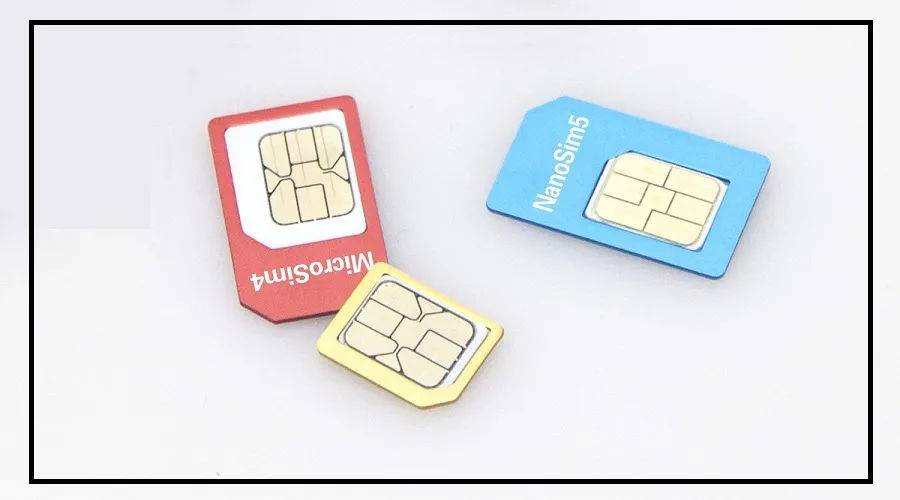
SIM fraud and IMEI tampering can lead to serious legal action, with the Department of Telecommunications (DoT) warning that certain violations may attract up to three years in prison and a fine of up to ₹50 lakh under the Telecommunications Act, 2023.
The warning follows recent action by the DoT Madhya Pradesh Licensed Service Area after a Point of Sale (PoS) agent in Chhattisgarh was found to have illegally activated 25 mobile connections using citizens’ identity documents without their knowledge or consent.
What the DoT Found in Chhattisgarh
The 25 mobile connections were examined through the DoT’s Digital Intelligence Platform (DIP), which is used to identify potentially suspicious telecom connections.
Connections flagged as suspicious were subjected to re-verification.
Numbers that failed the verification process were subsequently deactivated.
The concerned PoS agent was also blacklisted by the DoT and telecom service providers, preventing the outlet from issuing mobile connections in the future.
The action highlights the risks associated with mobile connections being obtained or activated using someone else’s identity documents.
The DoT has advised citizens to ensure that SIM cards issued in their names are not handed over or transferred to other people for possible misuse.
SIM Fraud and IMEI Tampering Rules
The Telecommunications Act, 2023 contains provisions against tampering with telecom identifiers, including the International Mobile Equipment Identity (IMEI) number used to identify mobile devices.
The law also prohibits obtaining SIM cards or other telecom identifiers through fraud, cheating or impersonation.
According to the DoT, violations covered by these provisions can attract imprisonment of up to three years, a fine of up to ₹50 lakh, or both.
The DoT has also warned against using, procuring or assembling devices with unauthorised or tampered telecom identifiers.
The restrictions apply to activities involving mobile handsets and other telecom equipment where identifiers have been deliberately altered or misused.
Why IMEI Protection Matters
An IMEI is a unique identifier associated with a mobile device.
Tampering with such identifiers can make it more difficult for authorities and telecom operators to identify and track devices connected to suspicious or unlawful activity.
The government has also established rules covering the registration and use of device identifiers.
The Telecom Cyber Security Rules, 2024 prohibit intentionally removing, changing or altering unique telecom equipment identification numbers.
The DoT has further cautioned against using devices with configurable or tampered IMEI numbers.
Manufacturers, importers, sellers and other entities involved in telecom equipment are expected to comply with the applicable legal and regulatory framework.
How Users Can Check Their Connections
The DoT has advised citizens to regularly verify the mobile connections issued in their names and check the authenticity of their handsets through the Sanchar Saathi platform and mobile application.
Users should also avoid sharing SIM cards registered in their names with others.
A connection obtained in one person’s name can create legal concerns if it is subsequently misused for cybercrime or other unlawful activities.
The latest warning is part of the government’s broader efforts to prevent telecom resources from being misused for cyber fraud and other offences.
Citizens are being encouraged to keep their identity documents, SIM connections and mobile devices secure and to report suspicious telecom activity through official channels.